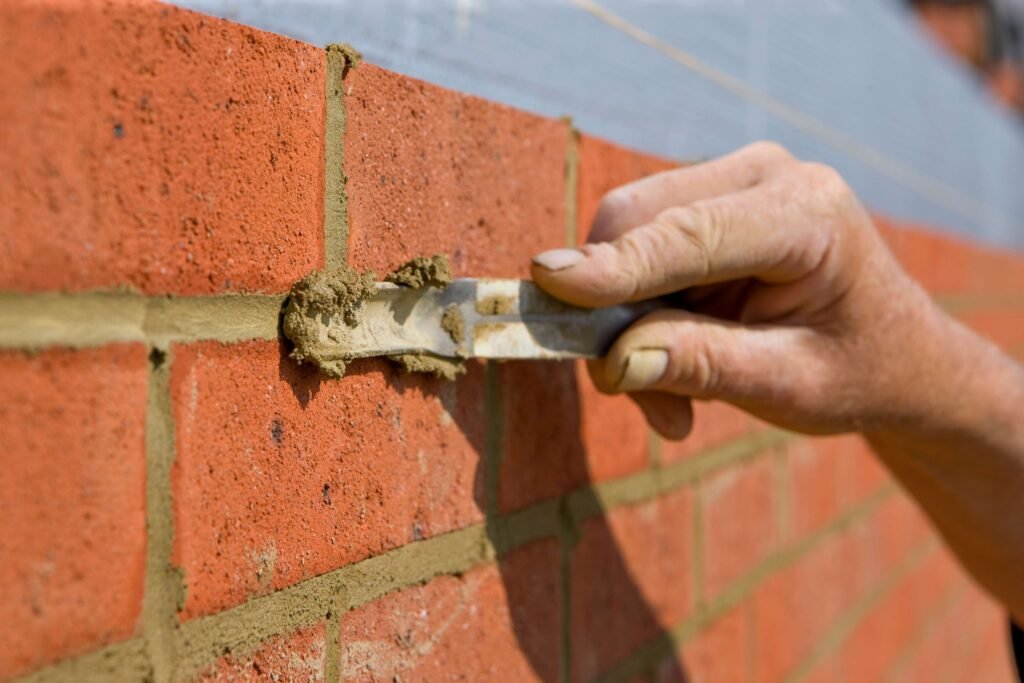
If you live in New York City, you already know fire escapes are part of the city’s look. They hang off brownstones and apartment buildings like black iron skeletons, some old, some newly painted, some barely holding on. But behind the classic style, they serve one purpose: keeping people safe when it matters most.
If you’re a homeowner, landlord, or tenant, there’s a lot to know about fire escapes in NYC. From city rules to maintenance requirements, it’s not something you want to guess about. Here are eight things everyone should know about these life-saving structures.
Fire escapes are mostly on older buildings
If your building has one, chances are it’s old, built before 1968. After that, the city stopped allowing exterior fire escapes on new buildings. Modern buildings rely on indoor stairwells, sprinklers, and smoke-proof corridors. But older walk-ups and brownstones? They still have those original metal escape bolts in the brick. And here’s the key: if your building has one, it’s your legal responsibility to keep it safe. The city doesn’t require you to remove it, but you do have to maintain it.
Quick tip: If your building was built after 1968 and still has a fire escape, it might’ve been added illegally or without permits. Always check your property’s DOB records.
They have strict NYC code requirements
A fire escape isn’t just any metal staircase; it has to meet exact city standards. According to the NYC Building Code, a fire escape must:
- Have stairs at least 22 inches wide.
- Have windows or doors at least 24” wide x 30” high for access.
- Be made of non-combustible material (no wood or rusted cast iron).
- Be securely anchored to the wall, no loose bolts or cracked masonry.
It should be sturdy enough to hold several people at once during an emergency.
If you’re not sure about your building’s fire escape condition, get it checked. A weak anchor or a rusted stair can turn into a disaster really fast, especially in an older NYC brick façade.
You can’t use it as a balcony
This one’s a citywide problem. So many tenants turn fire escapes into outdoor patios complete with chairs, plants, and even grills. It might look cute on Instagram, but it’s illegal.
The NYC Fire Code is clear: fire escapes must always be clear and ready to use. That means no furniture, no flower boxes, no bikes, no storage, nothing. Even blocking the access window with an A/C unit can get you (and your landlord) fined. And worse, it could cost precious seconds in an emergency. If you live in an apartment, keep that space empty. Treat it like what it is, an exit, not an extension of your living room.
Fire escapes must be inspected and certified
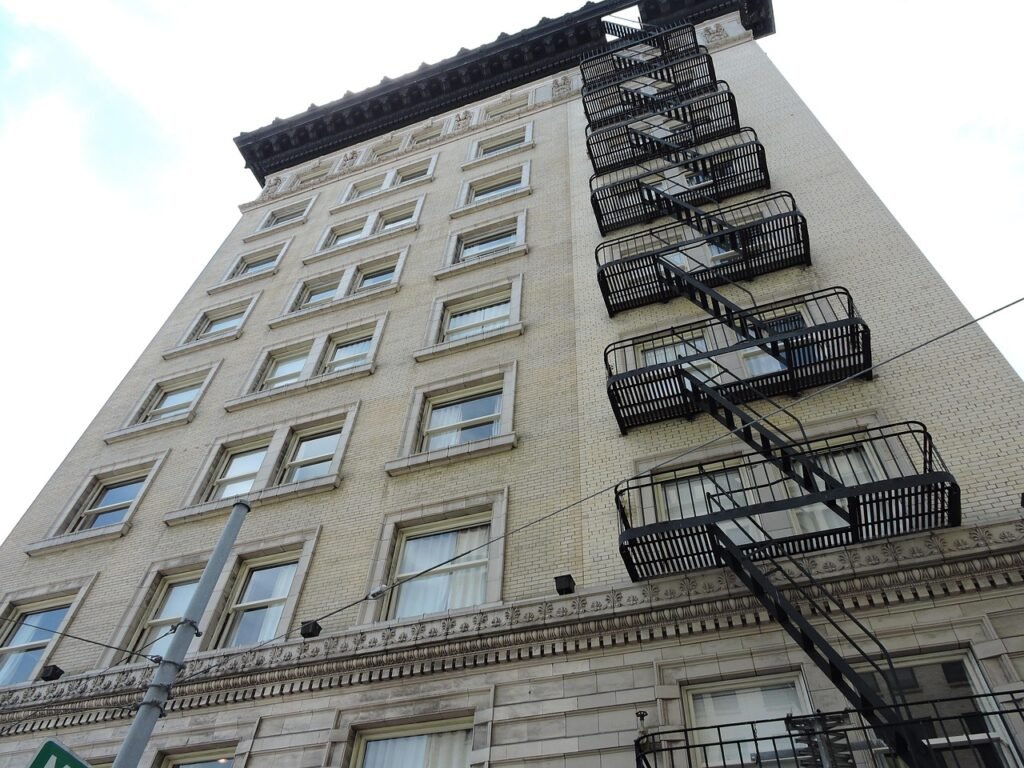
The metal may look solid, but most NYC fire escapes are 50 to 100 years old. Over time, weather and rust eat away at the structure, especially where bolts meet the brick.
That’s why inspections matter.
- NYC requires periodic inspections, usually every five years, often under Local Law 11 (for taller buildings).
- A licensed engineer or architect must conduct the inspection.
- If damage is found, such as rust, loose bolts, corrosion, or missing steps, the owner must fix it immediately.
For tenants: If the fire escape outside your window looks rusty, shaky, or uneven, report it to your landlord or 311. For landlords: don’t wait for DOB to issue a violation. Regular maintenance costs much less than emergency repairs.
You can’t remove it without permission
Thinking about taking your old fire escape down to modernize the building? Not so fast.
Removing a fire escape requires DOB and FDNY approval, and sometimes the Landmarks Preservation Commission if your building’s in a historic district. You’ll need to prove the building has another safe, legal means of exit, ike an enclosed stairwell or a secondary egress. If you remove it without approval, the city can issue violations, stop-work orders, or even revoke your Certificate of Occupancy.
Bottom line: if it’s on your building, you’re stuck with it, but that’s not a bad thing. A well-kept fire escape adds safety and can even preserve your building’s historic charm.
Tenants should know how to use it safely
A fire escape is only helpful if people know how to use it. Most New Yorkers never think about that until an emergency happens.
Here’s what every tenant should check:
- Make sure the window or door opens easily, without stuck locks or furniture blocking it.
- Never block the access with an A/C unit or a curtain.
- Keep the area clear and clean so you can move quickly.
- Know how to open the bottom ladder; some drop manually, others swing down.
And one more thing, don’t hang out there. They’re not designed for everyday use. The metal can get slick in rain or ice, and old bolts can fail without warning. If your fire escape feels unsafe, call your landlord or building management immediately. They’re legally required to fix it.
Maintenance costs less than violations
A little rust today can turn into a huge fine tomorrow. NYC landlords who neglect fire escapes can face violations under both DOB and FDNY rules. That’s why proactive maintenance is key:
- Scrape and paint every few years to prevent corrosion.
- Tighten bolts and joints annually.
- Seal cracks where the escape meets the brick wall to prevent water from getting in and weakening the structure.
- Check for rust at the anchor point; that’s where most collapses start.
Neglecting a fire escape isn’t just unsafe, it’s expensive. Repairs done after a violation can cost two or three times as much as preventive upkeep. For landlords, scheduling a quick inspection and maintenance every few years is simply an innovative business.
Fire escapes save lives, but only if they work
It’s easy to forget what a fire escape is really for. But every year, people in NYC survive fires because they have a safe, working fire escape. During an emergency, indoor stairs might be filled with smoke or flames. That iron staircase outside your window could be your only way out.
That’s why it’s not just about avoiding fines or passing inspection, it’s about safety and survival. A well-maintained fire escape:
- Gives residents a safe way to evacuate.
- Protects first responders who use them to access upper floors.
- Preserves historic architecture while keeping buildings compliant.
If you’re a tenant, respect it. If you’re a landlord, maintain it if you both take pride in it. It’s one of NYC’s oldest safety features, and it’s saved more lives than most people realize.
Quick Checklist for Fire Escape Safety
Here’s a simple way to check your fire escape’s condition:
- Can you open the window or door easily?
- Are stairs, ladders, and platforms free of rust or holes?
- Are the bolts tight, and are the anchors securely fastened to the wall?
- Is the fire escape freshly painted, with no peeling or flaking?
- Is it completely clear that there are no plants, furniture, or A/C units in the way?
- Has a pro inspected it within the past five years?
If you said “no” to any of these, it’s time to take action. A quick call to a licensed fire escape contractor in NYC can save you from bigger headaches later.
The Bottom Line
Fire escapes are more than just metal stairs on old buildings; they’re part of NYC’s identity and a critical piece of its safety system.
- If you’re a tenant, keep it clear.
- If you’re a landlord, keep it strong.
- If you’re a property manager, keep it compliant.
Simple rule: a fire escape only does its job if it’s cared for.
At NYC brick pointing, we specialize in inspection, repair, painting, and certification for buildings across all five boroughs. Whether your building needs a quick tune-up or a complete restoration, we’ll make sure it’s safe, up to code, and ready when it’s needed most. Contact us today to schedule an inspection or a maintenance quote and keep your building and everyone inside it safe.