A building’s brick façade is one of its most defining features. The mortar between the bricks may be the most vulnerable as it faces decades of harsh weather, pollution, and freeze-thaw cycles. When mortar between bricks deteriorates, it loses its ability to seal and protect the bricks and the structure behind them from water damage.
If you are watching for signs of damage, and start to see cracks and gaps, or notice discoloured bricks, you are probably wondering, “What are repointing and tuckpointing?” Understanding the difference can save you thousands and improve your building. Neglecting to maintain mortar can shorten a building’s lifespan by decades. Let’s break it down.
What Is Repointing?
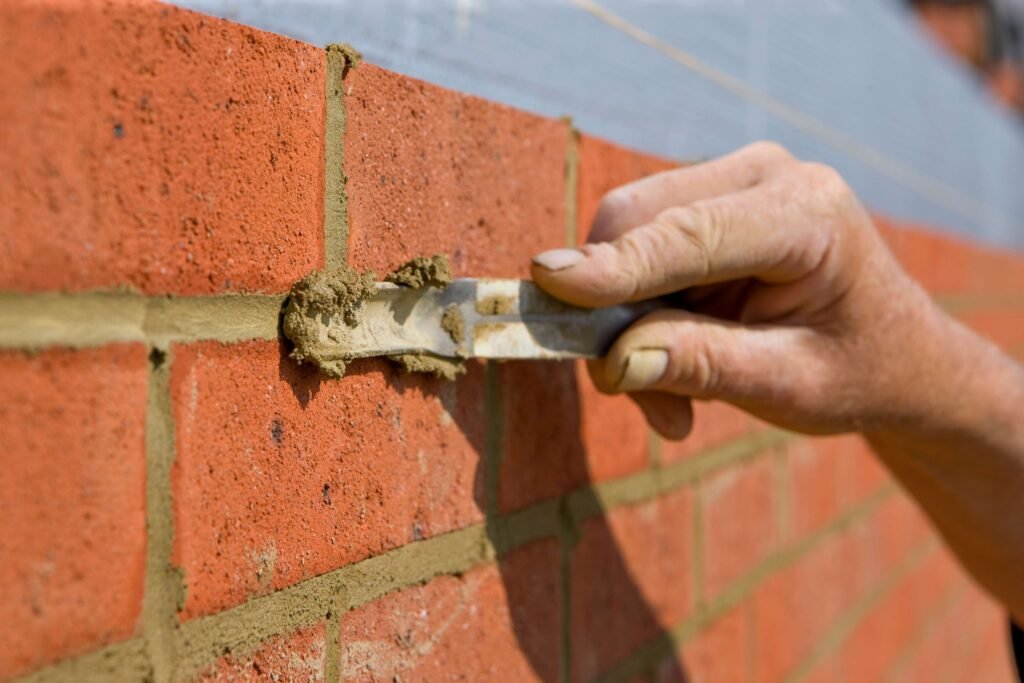
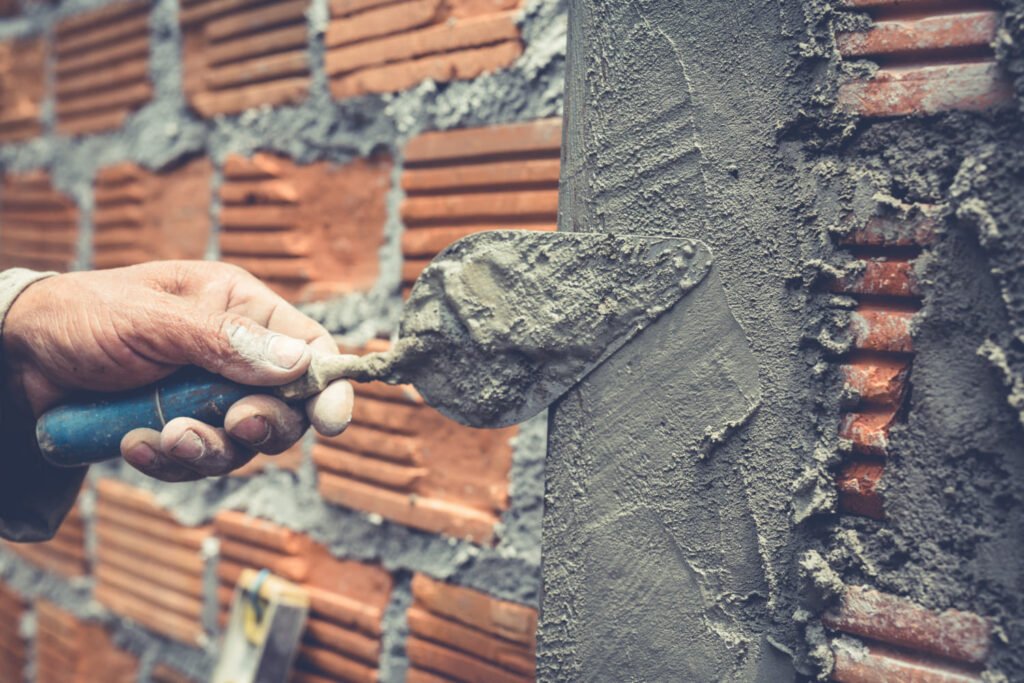
Repointing is the repair of the damaged mortar joints between bricks. It is mainly a structural repair. It aims to restore the masonry’s strength, stability, and waterproofing.
- Filling in the joints with fresh mortar that matches the original in composition and strength.
- Tooling and finishing the joints to make them tight and weather-tight.
- To summarise, repointing ensures your building is structurally sound and watertight. It is not a matter of aesthetics. It is a matter of longevity.
If you see any of these signs, you most likely need repointing.
- Missing, cracked, or loose mortar joints.
- Water is leaking through the brick walls.
- Damp areas or white powder (efflorescence) forming.
- Loose or crumbling bricks on the edges.
What Is Tuckpointing?
Tuckpointing is a more aesthetic technique that also protects the brickwork, but is designed to improve the overall appearance. Tuckpointing involves the use of two mortar colors:
1. A base mortar that matches the brick colour, to create a uniform, solid appearance.
2. A thin contrasting line (commonly white or cream) that runs in the center of the joints, giving the appearance of razor-thin, perfectly aligned joints.
In the past, this was used to imitate the look of high-end, handrubbed bricks, which were more expensive. It is still a common practice for historic buildings, brownstones, and landmark restorations in NYC. So while repointing focuses on function, tuckpointing adds protection and a polished style.
Why Mortar Joins Are Important, Especially In New York City
Mortar is the “glue” that holds your brickwork together. In the New York area, Winter can be freezing, while Summer is humid and rainy. This means that the Mortar joints will expand and contract a lot. Over time, the joints will crack, allowing water in. Over time, letting water in will cause:
- Water infiltration that will damage your interior walls.
- Loose and spalling bricks from freeze-thaw cycles.
- Structural instability on the multistory facades.
- Visible deterioration that will decrease property value. In short, if the mortar is healthy, the building is healthy.
Repointing vs. Tuckpointing: What’s the Difference?
This explains the contrast side by side:
When Your Building Needs Repointing
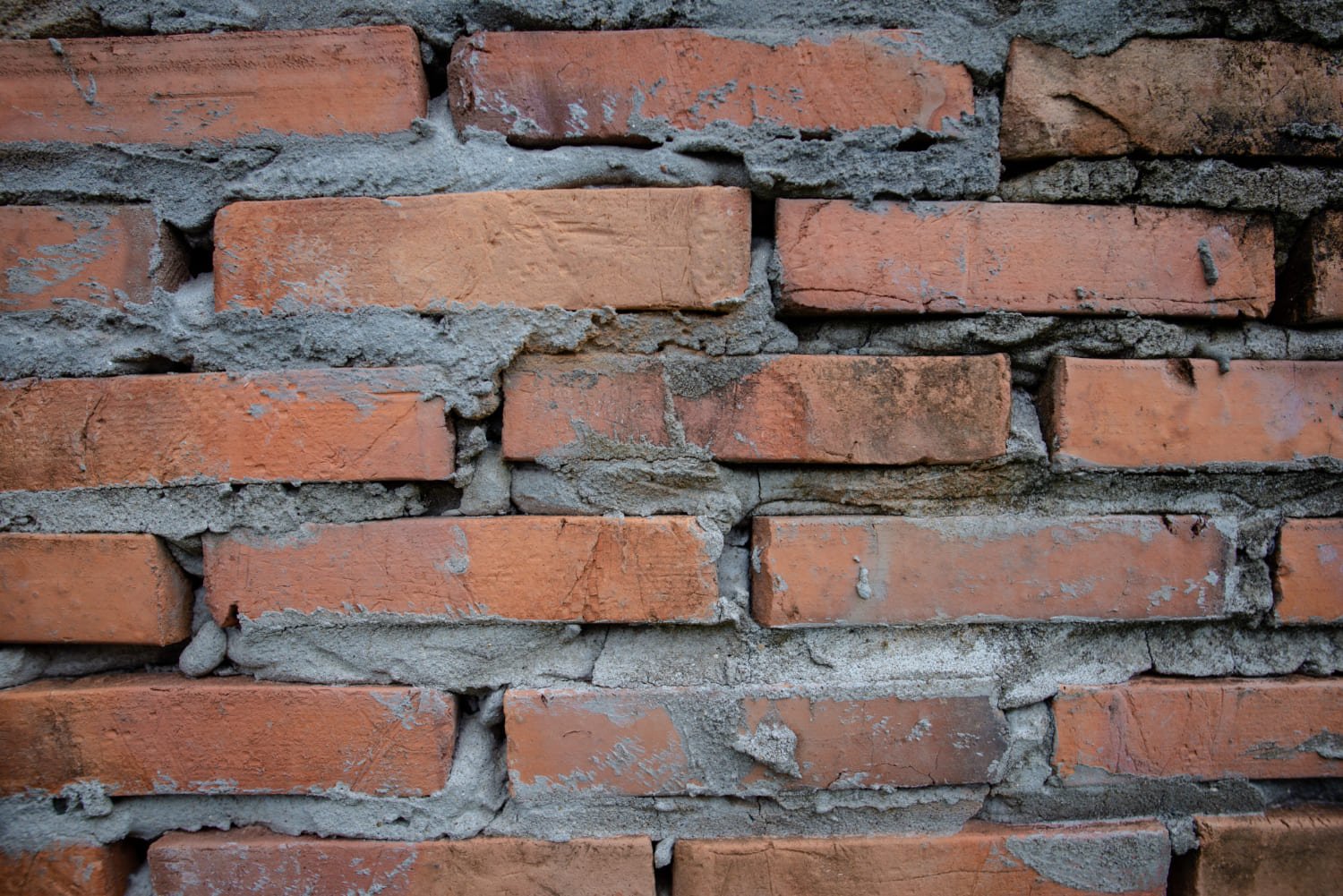
Repointing is excellent when the mortar joints are failing, but the bricks themselves are still fine. This is common in NYC buildings aged 30 + years. This process ensures structural soundness without requiring the removal of sections of brickwork.
Repointing is right for you if:
- You can see cracks in the mortar, or it’s missing entirely.
- You notice leaks in the walls after it rains.
- The mortar joints are recessed deeper than the brick face.
- When you tap the bricks, you hear a hollow sound.
Prompt repointing cuts the need for expensive repairs later. Think of it as routine maintenance over emergency surgery.
When to Consider Tuckpointing
Tuckpointing is the best option when the building’s structure is sound but needs aesthetic restoration. This is common for historic row houses, decorative commercial façades, and landmark brownstones.
Consider tuckpointing when:
- You need to restore an ornate or historic masonry façade.
- You have uneven mortar fading in masonry walls.
- You have lost the original decorative lines.
The brickwork is aged, but still structurally sound. Tuckpointing can significantly improve the curb appeal. This is increasingly important for brownstones, co-ops, and boutique storefronts in NYC.
Can You Combine Both?
Yes, that’s common in many NYC buildings. A hybrid approach to repointing in structural areas where mortar is failing, and tuckpointing for the visible street-facing facades to give a neat, polished look.
This approach ensures beauty isn’t compromised when these structures stand the test of time, a perfect combination for constructions that must meet standards while remaining modern.
How the Process Is Handled at NYC Brick Pointing
At NYC Brick Pointing, we must meet the standards we set for our work, whether it’s repointing, tuckpointing, or a combination of the two. We work with residential, commercial, and even historic properties throughout the five boroughs.
This is how we work:
1. Comprehensive Inspection
Our masons, who are experienced in NYC state building codes, will evaluate the condition not only of the mortar joints but also of the brickwork and even the underlying structure.
2. Tailored Recommendation
We consider factors such as structure and budget, and whether repointing, tuckpointing, or both best serve the needs.
3. Mortar Matching
We will use historic buildings with mortar that has color, composition, and strength for the joints.
4. Precision Execution
Experts will methodically extract the mortar, and for tuckpointing, the design contrast lines are added.
5. Final Cleanup and Inspection
To protect your brickwork for years, we will clean and power wash the facade, seal it as needed, and restore it. These will ensure it is renewed and will look like it for years to come.
Why Choose NYC Brick Pointing?
- Local Expertise: We know NYC brickwork, from historic brownstones in Brooklyn to modern lofts in SoHo.
- Quality Materials: Our mortar mixes are ASTM-compliant and tested for compatibility.
- Skilled Craftsmen: Every project is supervised by masonry experts with years of local experience.
- Transparent Pricing: No hidden fees, just clear estimates and guaranteed workmanship.
- Licensed & Insured: Fully compliant with DOB regulations, OSHA safety, and city permits.
We don’t just fix brick, we preserve New York’s architectural legacy.
Ready to Restore Your Brickwork?
If your brick façade is showing signs of wear, don’t wait for water damage or structural decay. Call NYC Brick Pointing for a free on-site inspection and honest assessment. Whether you need repointing, tuckpointing, or a full façade restoration, we’ll make your building strong, beautiful, and built to last.
Contact us today to schedule your inspection and discover why NYC trusts us for expert brick pointing and masonry restoration.
FAQs
How often should I repoint a building?
With quality repointing in a NYC climate, building repointing should last 25–40 years. It’s a good idea to carry out regular inspections every 10 years.
Is tuckpointing just for looks?
Not at all. While tuckpointing improves appearance, it also seals joints, prevents water infiltration, and extends the lifespan of bricks.
How much does it cost?
The cost depends on a building’s height, accessibility, and façade area. Other things being equal, repointing costs less per square foot of the building, and tuckpointing costs more because it involves decorative detailing.
Can I spot-repair instead of doing the whole wall?
Spot repointing can work temporarily, but uneven mortar will age discordantly. For uniform strength and color, fcompletework in the area is best.